
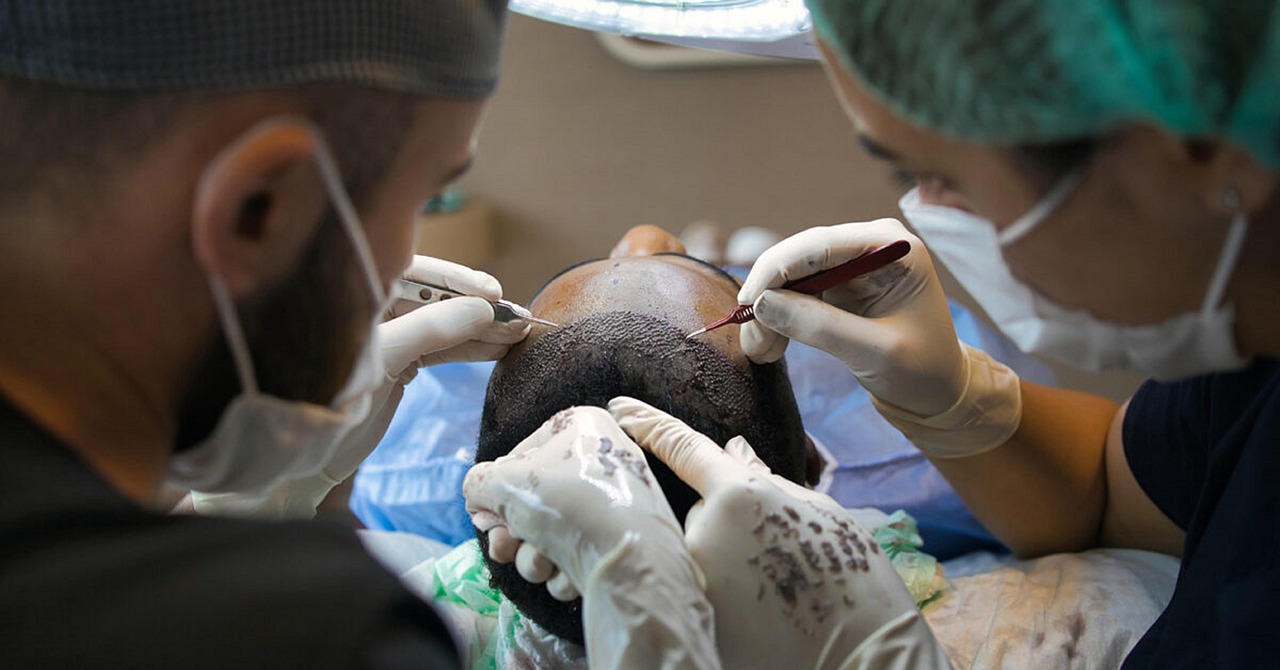
The journey to hair restoration is often a path to renewed confidence and self-esteem. However, for a growing number of individuals, this journey can take an unfortunate turn, resulting in a “botched” hair transplant. This term describes a procedure that has failed to meet aesthetic or clinical expectations, leaving patients with visible, unnatural, or insufficient results. For those grappling with the disappointment and distress of a poor initial outcome, revision hair transplant surgery offers a beacon of hope, and Turkey has emerged as a global leader in providing these intricate procedures with unparalleled quality and affordability.
Understanding a “Botched” Hair Transplant
A failed hair transplant can manifest in several ways, each requiring a tailored approach for correction. Identifying these issues is the first critical step toward successful revision:
- Unnatural Hairline: This is perhaps the most common and distressing issue. A hairline that is too straight, too low, too high, asymmetrical, or possesses a “pluggy” appearance (clusters of multiple grafts without proper individualization) can be immediately apparent and aesthetically jarring.
- Poor Density or Patchy Growth: Insufficient graft survival, improper placement, or an inadequate number of grafts can lead to sparse areas, leaving the scalp looking thinner than desired or with noticeable bald patches.
- Visible Scarring: While modern Follicular Unit Extraction (FUE) techniques aim for minimal scarring, poorly executed FUE can result in widespread scarring in the donor area, making it appear thinned or mottled. Older Follicular Unit Transplantation (FUT) methods often leave a linear scar that can be very noticeable, especially if hair is kept short.
- Donor Area Depletion or Damage: Over-harvesting from the donor region can permanently thin the area, making it unsuitable for future transplants and causing visible patches. Damage to existing hair follicles during extraction can also compromise future growth.
- Incorrect Graft Angulation or Direction: Hair naturally grows in specific angles and directions across different areas of the scalp. If grafts are implanted without respecting these natural patterns, the transplanted hair can appear stiff, unnatural, and difficult to style.
- Infections or Complications: While rare, post-operative infections, folliculitis, or persistent swelling can compromise graft survival and overall aesthetic outcomes.
The Art and Science of Revision Hair Transplant Surgery
Revision hair transplant surgery is significantly more complex than a primary procedure. It demands a surgeon with exceptional skill, experience, and an artistic eye to not only correct existing errors but also to manage previously operated tissue and potentially compromised donor areas. The primary objectives of revision surgery include:
- Hairline Reconstruction: Carefully designing and implanting new grafts to create a soft, natural, and age-appropriate hairline that frames the face aesthetically. This often involves removing misplaced “pluggy” grafts and redistributing them or using new grafts.
- Density Enhancement: Augmenting sparse areas by implanting additional grafts to achieve a more uniform and natural hair density.
- Scar Camouflage: Using FUE techniques to transplant grafts into visible FUT scars or diffuse FUE donor scars, effectively camouflaging them and making them less noticeable.
- Correcting Angulation and Direction: Removing and re-implanting incorrectly angled grafts, or strategically placing new grafts to blend seamlessly with natural hair growth patterns.
- Donor Area Management: Carefully assessing the remaining healthy donor follicles and utilizing them judiciously, sometimes employing Beard Hair Transplants (BHT) or Body Hair Transplants (BHT) in cases of severe scalp donor depletion.
Modern techniques like FUE (Follicular Unit Extraction) and DHI (Direct Hair Implantation) are at the forefront of these revision procedures. FUE involves individually extracting follicular units and then implanting them into recipient sites, offering flexibility in scar management. DHI, a variation of FUE, uses a specialized implanter pen to simultaneously create the recipient site and implant the graft, providing precise control over depth, angle, and direction, which is particularly beneficial for complex hairline revisions.
Why Turkey Excels in Hair Restoration and Revision Surgery
Turkey has firmly established itself as a global epicenter for hair restoration surgery, attracting hundreds of thousands of international patients annually. This reputation is built upon a confluence of factors that make it an attractive destination for primary and, more critically, revision hair transplants:
- Experienced Surgeons and Teams: Turkish clinics boast highly specialized surgeons and medical teams who perform a vast number of hair transplant procedures weekly. This high volume translates into unparalleled experience, especially in the nuanced field of revision surgery.
- State-of-the-Art Facilities: Many Turkish clinics are equipped with the latest medical technology and adhere to international standards of hygiene and patient care, often exceeding those found in other regions.
- Competitive Pricing: This is arguably the most significant draw for international patients, particularly for procedures as specialized and potentially expensive as revision surgery.
- Holistic Patient Care: Clinics often offer comprehensive packages that include airport transfers, accommodation, and multilingual support, easing the logistical burden for international visitors.
Understanding the Cost Dynamics: Turkey vs. Western Nations
The stark price difference for hair transplant procedures, including complex revision surgeries, between Turkey and countries like the USA, UK, or Western Europe is often a point of curiosity and, at times, skepticism. It is crucial to understand that this cost differential does not equate to a compromise in quality. Instead, it stems from distinct economic and operational structures:
- Lower Operational Costs: In Turkey, the overall cost of living, wages for medical staff (nurses, technicians, administrative personnel), clinic rent, and general overheads are significantly lower compared to Western countries. This allows clinics to operate efficiently at a lower baseline cost.
- Government Support and Subsidies: The Turkish government actively supports medical tourism through various initiatives, including tax incentives and subsidies for medical facilities. This further contributes to the affordability of treatments.
- High Volume and Competitive Market: The sheer volume of hair transplant procedures performed in Turkey fosters a highly competitive market. Clinics strive to offer the best services at competitive prices to attract international patients, creating a beneficial environment for consumers.
- Favorable Exchange Rates: For patients paying in US Dollars, British Pounds, or Euros, the exchange rate often works favorably against the Turkish Lira, making procedures even more affordable.
These economic advantages allow Turkish clinics to offer world-class medical quality, utilizing advanced techniques and experienced professionals, without the prohibitive price tags seen elsewhere.
Estimated Hair Transplant Revision & Primary Surgery Costs (2026)
The following table provides estimated average prices for various hair transplant procedures in 2026. Please note that these are ranges and actual costs can vary based on the clinic’s reputation, the surgeon’s experience, the complexity of the case, and the exact number of grafts required. For revision surgery, the cost is highly dependent on the extent of correction needed.
| Procedure Type | USA (Avg.) | UK (Avg.) | Europe (Avg.) | Turkey (Avg.) |
|---|---|---|---|---|
| FUE (1500-2500 grafts) | $8,000 – $15,000 | £5,000 – £10,000 | €4,500 – €9,000 | $2,000 – $3,500 |
| FUE (3000-4500 grafts) | $15,000 – $25,000+ | £9,000 – £15,000+ | €8,000 – €14,000+ | $2,500 – $4,500 |
| DHI (1500-2500 grafts) | $10,000 – $20,000 | £6,000 – £12,000 | €5,500 – €11,000 | $2,500 – $4,000 |
| Revision Surgery (Minor) | $6,000 – $12,000 | £4,000 – £8,000 | €3,500 – €7,500 | $2,500 – $4,000 |
| Revision Surgery (Moderate) | $10,000 – $18,000 | £7,000 – £12,000 | €6,000 – €11,000 | $3,500 – $5,500 |
| Revision Surgery (Complex) | $15,000 – $30,000+ | £10,000 – £20,000+ | €9,000 – €18,000+ | $4,500 – $7,500 |
Recovery & Vital Post-Operative Medicines in Turkey
The success of any hair transplant, especially a revision procedure, hinges significantly on diligent post-operative care. This includes adhering to specific washing instructions, avoiding certain activities, and, critically, taking prescribed medications. These medicines are essential for:
- Preventing Infection: Antibiotics are routinely prescribed to minimize the risk of bacterial infections in the recipient and donor areas, which could compromise graft survival.
- Managing Pain and Discomfort: Painkillers ensure a more comfortable recovery period, allowing patients to rest and heal effectively.
- Reducing Swelling and Inflammation: Anti-inflammatory medications help control post-operative swelling, particularly in the forehead and around the eyes, which is a common side effect.
- Optimizing Graft Survival: Specialized lotions, foams, and shampoos are often recommended to gently cleanse the scalp, soothe irritation, and provide an optimal environment for the newly transplanted grafts to thrive. Some clinics may also recommend adjunctive therapies like PRP (Platelet-Rich Plasma) sessions or specific vitamins to accelerate healing and enhance growth.
A significant advantage of undergoing hair transplant surgery in Turkey extends to the cost of these crucial aftercare medications. Pharmaceutical prices in Turkey are incredibly competitive, making the entire post-operative regimen remarkably affordable compared to Western nations. This ensures that patients can access all necessary treatments without financial strain, further contributing to the overall success and value of their procedure.
You can verify official 2026 pharmacy prices for a wide range of post-surgery medications directly on TurkishMedsGuide.com, providing complete transparency and peace of mind regarding your aftercare expenses.
Conclusion
A botched hair transplant can be a source of profound emotional distress and a significant aesthetic concern. However, it is not an irreversible situation. Revision hair transplant surgery offers a sophisticated and effective solution to correct previous errors, restore a natural appearance, and ultimately, rebuild confidence. Turkey stands out as the premier destination for these complex procedures, offering a unique blend of world-class surgical expertise, advanced techniques, and highly competitive pricing without sacrificing quality.
By understanding the factors contributing to its affordability and the unwavering commitment to medical excellence, patients can make informed decisions. Furthermore, the accessibility and low cost of vital post-operative medications in Turkey provide an additional layer of support, ensuring a comprehensive and successful recovery journey. For those seeking to rectify a disappointing hair transplant experience, Turkey represents a clear, high-quality, and cost-effective path forward.
🇹🇷 Frequently Viewed Medicines in Turkey (2026 Prices)
Tourists also checked the prices of these medicines: