The journey to hair restoration through a transplant is a significant decision, promising renewed confidence and a fuller hairline. As patients embark on their recovery, a common question arises regarding cosmetic solutions like hair fibers: When is it truly safe to apply these products after a hair transplant procedure? Understanding the precise timeline and potential risks is paramount to protecting your newly implanted grafts and ensuring the optimal long-term success of your investment.
Hair fibers are microscopic, keratin-based particles designed to electrostatically adhere to existing hair, creating an illusion of greater density and coverage. While they offer an immediate cosmetic enhancement for thinning hair, their application after a transplant requires meticulous timing and caution. The delicate nature of transplanted follicles in their initial stages of integration means any external interference can compromise their survival and overall outcome. Rushing their use can lead to undesirable complications, undermining the meticulous work of the surgical team.
Understanding the Hair Transplant Healing Process
A successful hair transplant hinges on the survival and proper integration of the follicular units into their new environment. The healing process is typically divided into several critical phases, each with its own vulnerabilities and requirements for care.
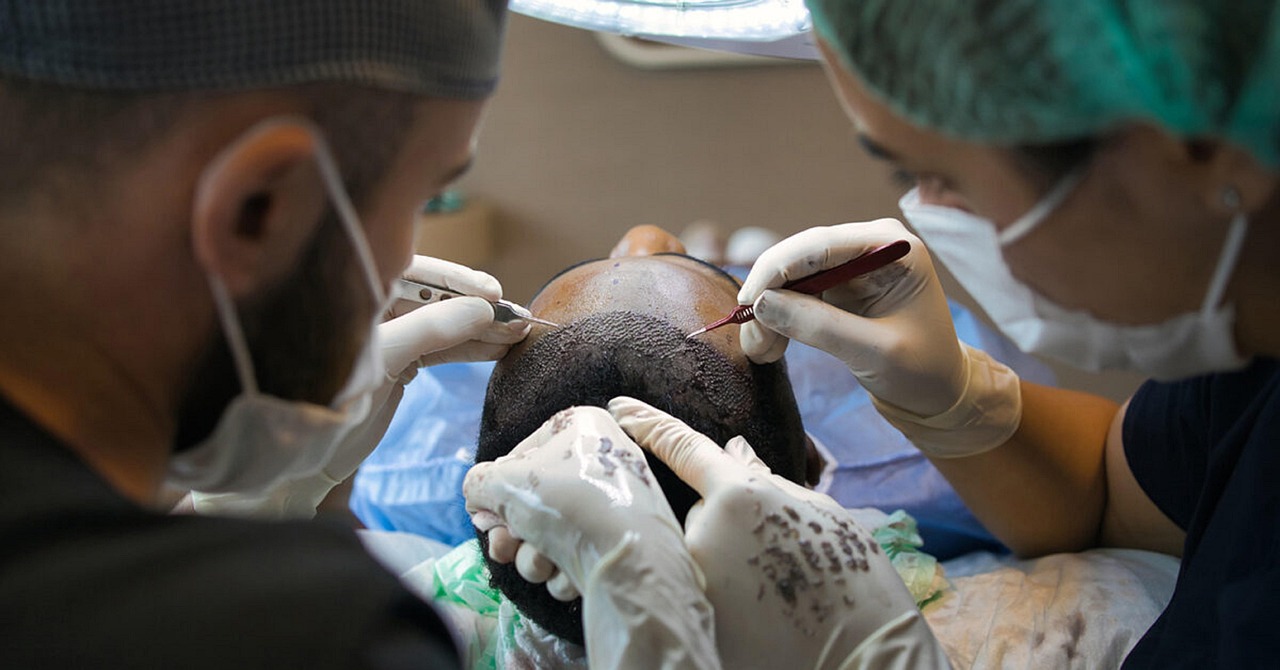
- Immediate Post-Operative Period (Days 1-14): This is the most critical phase. The transplanted grafts are extremely fragile, much like young seedlings in new soil. They are securing their blood supply, and the scalp is undergoing initial wound healing. During this time, the recipient area will have small scabs, and the donor area will also be recovering. Any friction, pressure, or chemical exposure can dislodge grafts, cause irritation, or introduce infection.
- Early Recovery (Weeks 2-6): While grafts are more secure, the scalp remains sensitive. The initial scabs will have fallen off, but the skin beneath is still maturing. Many patients experience “shock loss” during this period, where transplanted hairs shed, a normal part of the process before new growth begins.
- Mid-Recovery (Months 2-4): New hair growth typically begins, albeit slowly. The scalp’s sensitivity generally diminishes, and the skin barrier is largely restored.
- Long-Term Integration and Growth (Months 6-12+): The transplanted hair continues to thicken and mature, and the final aesthetic result becomes increasingly evident. By this stage, the grafts are fully integrated, and the scalp has returned to its normal, resilient state.
When Can Hair Fibers Be Safely Applied?
Given the intricate healing timeline, a strict approach to hair fiber application is essential:
- Absolutely Forbidden (Days 1 to Week 4): During the first month, hair fibers are unequivocally contra-indicated. Applying them introduces foreign particles to an open or recently healed wound bed, creating a significant risk of infection, inflammation, folliculitis (inflammation of hair follicles), and mechanical disruption of the delicate grafts. The electrostatic bond of the fibers can also pull on the emerging hairs, potentially dislodging them. Furthermore, the act of applying and removing fibers can create friction that harms the fragile scalp.
- Extreme Caution and Physician Approval Required (Week 5 to Month 3): In this intermediate period, some patients may feel tempted to use fibers to camouflage the thinning appearance or shock loss. However, it is still generally advised against. If absolutely necessary, and ONLY with explicit approval from your hair restoration surgeon, extreme caution must be exercised. The fibers must be non-irritating, easy to remove without rubbing or scrubbing, and applied to areas only where the scalp is completely healed, with no residual scabs or tenderness. Any product that requires forceful application or removal is unacceptable.
- Generally Safe (Month 4 onwards, ideally Month 6+): Once the transplanted grafts have completely matured, and the scalp has fully healed and is no longer sensitive, typically around the 4-6 month mark, hair fibers can generally be considered safe for use. By this time, the new hair shafts are well-anchored, and the risk of dislodgement or infection from surface application is minimal. It is still recommended to choose high-quality, non-irritating brands and to always perform a patch test on a small area first to ensure no adverse reaction. Gentle application and removal methods should always be prioritized.
The cardinal rule remains: never compromise the biological healing process for a temporary cosmetic effect. Patience is a virtue in hair restoration, and adhering to post-operative guidelines is critical for achieving the best possible outcome.
Modern Hair Restoration: Global Standards, Turkish Excellence
Today, advanced hair restoration techniques such as Follicular Unit Extraction (FUE) and Direct Hair Implantation (DHI) are performed globally, adhering to rigorous international medical standards. These procedures demand precision, skill, and an deep understanding of follicular biology and aesthetic principles. Turkey has emerged as a undisputed global leader in hair transplant surgery, not merely due to competitive pricing but primarily because of its unwavering commitment to medical excellence, highly experienced surgeons, and state-of-the-art facilities that rival those found anywhere in the USA, UK, or Europe.
Turkish clinics offer cutting-edge technology and a wealth of experience, performing a high volume of procedures daily. This high volume translates into unparalleled surgical proficiency and optimized patient care protocols. Patients receive comprehensive care packages that often include accommodation, transfers, and meticulous post-operative follow-ups, ensuring a seamless and worry-free experience from consultation to full recovery. The quality of results and patient satisfaction metrics frequently surpass those found in more expensive regions, making Turkey a preferred destination for discerning individuals seeking top-tier hair restoration.
Comparative Hair Transplant Procedure Costs (Estimated 2026 Prices)
One of the most compelling aspects of choosing Turkey for hair restoration is the significant cost advantage, achieved without any compromise on the quality of medical care. The disparity in pricing is primarily due to lower operational costs, including salaries, rent, and utilities, coupled with supportive government policies that encourage medical tourism. This economic framework allows Turkish clinics to offer world-class procedures at a fraction of the price found in Western countries.
| Procedure/Region | USA (Estimated 2026) | UK (Estimated 2026) | Europe (e.g., Germany/France) (Estimated 2026) | Turkey (Estimated 2026) |
|---|---|---|---|---|
| FUE/DHI Hair Transplant (Standard Package, 2500-4000 Grafts) | $10,000 – $25,000+ | £7,000 – £15,000+ (approx. $8,500 – $18,500) | €6,000 – €12,000+ (approx. $6,500 – $13,000) | $2,500 – $6,000 (approx. €2,300 – €5,500) |
| Consultation Fees (initial) | $100 – $300 (often deductible) | £50 – £200 | €50 – €150 | Often Free (part of package) |
| Post-Operative Check-ups | $50 – $150 per visit | £30 – £100 per visit | €30 – €80 per visit | Included in package (virtual or in-person) |
| Estimated Total Savings in Turkey | N/A | Up to 70% | Up to 60% | N/A |
Note: These are estimated 2026 prices for typical hair transplant packages and can vary based on clinic reputation, surgeon experience, number of grafts, and specific services included. Exchange rates are approximate.
Recovery & Vital Post-Operative Medicines in Turkey
Beyond the surgical procedure itself, proper post-operative care is fundamental to the success and longevity of your hair transplant. This critical phase involves strict adherence to a prescribed regimen of medications and care instructions to prevent complications and foster healthy graft growth. Essential post-op medications typically include:
- Antibiotics: Prescribed to prevent infection in both the donor and recipient areas, typically taken for several days after surgery.
- Painkillers: To manage any discomfort or mild pain in the immediate aftermath of the procedure.
- Anti-inflammatory Medications: To reduce swelling, particularly around the forehead and eyes, which can be a common side effect.
- Specialized Shampoos and Lotions: Gentle, pH-neutral products specifically designed for post-transplant care. These help to cleanse the scalp without disturbing grafts, soothe irritation, and promote healing.
- Hair Growth Stimulants (e.g., Minoxidil, Finasteride): Often prescribed by the surgeon several weeks or months after the transplant to support existing hair and stimulate the growth of new, non-transplanted hair, though their application near new grafts needs careful timing.
One significant advantage of undergoing a hair transplant in Turkey extends to the cost of these vital post-operative medications. Pharmaceutical prices in Turkey are remarkably affordable compared to Western countries, often representing a fraction of the cost. This ensures that patients can easily access and afford their full course of necessary aftercare, which is crucial for maximizing transplant success.
Patients are encouraged to discuss their specific post-op medication plan with their Turkish surgeon. Furthermore, to provide complete transparency and assist in financial planning, you can easily verify official 2026 pharmacy prices for any prescribed aftercare medicines directly on TurkishMedsGuide.com. This valuable resource ensures you are fully informed about all aspects of your recovery journey.
Conclusion
The successful outcome of a hair transplant is a synergy of expert surgical technique and diligent post-operative care. While the desire for immediate aesthetic improvement is understandable, exercising patience and strict adherence to medical advice regarding products like hair fibers is non-negotiable. Premature use risks infection, graft damage, and ultimately, compromises the results of your investment.
By understanding the delicate healing timeline and prioritizing the health of your grafts, you pave the way for a full, natural-looking head of hair. Turkey stands ready as a beacon of excellence in hair restoration, offering world-class procedures performed by highly skilled surgeons in advanced facilities, all at an accessible cost that includes significantly cheaper vital aftercare medications. Your journey to restored hair should be supported by the highest standards of care and affordability.
For more information on the specific costs of post-operative medications in Turkey and to plan your comprehensive hair restoration journey, please visit TurkishMedsGuide.com. Make an informed decision for your hair and your health.
🇹🇷 Frequently Viewed Medicines in Turkey (2026 Prices)
Tourists also checked the prices of these medicines: