The global reputation of Turkey as a hub for aesthetic procedures has unfortunately been shadowed by the sensationalized term “Turkey Teeth,” often associated with sub-optimal dental work. While concerns about unregulated practices are valid in any medical tourism destination, it is critical to understand that Turkey also hosts some of the world’s most advanced and reputable medical facilities, particularly in the field of hair restoration surgery. The key is distinguishing between clinics that prioritize profit over patient safety and those that adhere to rigorous international standards. For individuals considering hair transplant surgery in 2026, navigating this landscape requires diligence, research, and an informed perspective.
Turkey has emerged as a leader in hair restoration for compelling reasons that extend far beyond mere cost savings. It is a nation where medical innovation meets highly skilled professionals, often operating within state-of-the-art facilities. However, just as with any significant medical decision, understanding the landscape and making an informed choice is paramount to ensuring both safety and successful outcomes. This guide aims to equip prospective patients with the knowledge to identify and select a clinic that upholds the highest standards of care.
Modern Hair Transplant Techniques: Global Standards in Turkey
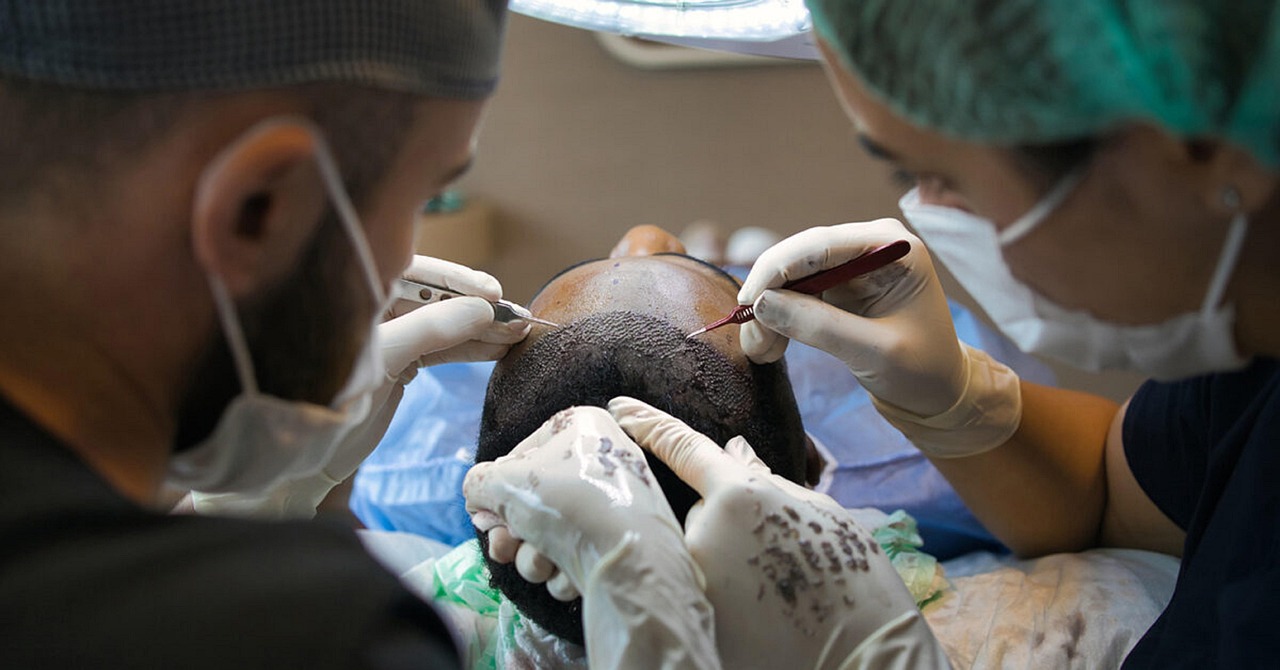
Modern hair restoration surgery primarily utilizes two advanced techniques: Follicular Unit Extraction (FUE) and Direct Hair Implantation (DHI). Both methods are globally recognized for their effectiveness in treating androgenetic alopecia and other forms of hair loss, offering natural-looking and permanent results when performed by skilled professionals.
- Follicular Unit Extraction (FUE): This technique involves extracting individual follicular units (groups of 1-4 hairs) directly from the donor area (typically the back or sides of the scalp) using a micro-punch tool. These grafts are then meticulously implanted into tiny incisions made in the recipient area. FUE is highly popular due to its minimally invasive nature, lack of linear scarring, and relatively quick recovery time.
- Direct Hair Implantation (DHI): A refinement of FUE, DHI uses a specialized implanter pen (Choi pen) to directly implant extracted follicular units into the recipient area without the need for pre-made incisions. This method offers greater control over the depth, angle, and direction of graft placement, potentially leading to higher graft survival rates and even denser results in some cases. DHI is often preferred for its precision and reduced trauma to the scalp.
Reputable clinics in Turkey offer both FUE and DHI, utilizing advanced equipment and protocols that mirror or even surpass those found in leading clinics in the USA, UK, or Europe. The best clinics employ highly trained surgeons and medical teams who specialize in these procedures, often performing them on a daily basis. This high volume of procedures fosters unparalleled expertise and continuous refinement of techniques, contributing significantly to Turkey’s reputation for excellence in this specific medical field.
Understanding the Cost Differential: Quality Without Compromise
One of the most frequently asked questions revolves around the stark price difference for hair transplant procedures between Western countries and Turkey. It is crucial to dispel the misconception that lower prices equate to compromised quality. In the context of reputable Turkish clinics, this is simply not the case. The ability to offer world-class medical services at a fraction of the cost stems from several key economic and structural advantages:
- Lower Operational Costs: The overall cost of living and doing business in Turkey is significantly lower than in the USA, UK, or much of Western Europe. This translates directly into lower overheads for clinics. Salaries for highly qualified medical staff, including surgeons, nurses, and technicians, while competitive within Turkey, are generally lower than their counterparts in higher-income economies. Rent for clinic spaces, utility costs, and even the general expenses associated with maintaining a state-of-the-art medical facility are substantially reduced.
- Government Subsidies and Support for Medical Tourism: The Turkish government actively promotes and invests in medical tourism as a strategic economic sector. This support manifests in various forms, including tax incentives for clinics, streamlined administrative processes for international patients, and investments in medical infrastructure. These governmental policies help to reduce the financial burden on medical facilities, enabling them to pass on savings to patients without sacrificing quality.
- High Volume of Procedures: Turkey’s popularity as a medical tourism destination, particularly for hair transplants, means that clinics perform a very high volume of procedures annually. This ‘economy of scale’ allows clinics to negotiate better prices for medical supplies, equipment, and consumables from suppliers. When a clinic performs hundreds or thousands of procedures a year, the per-patient cost for materials and resources naturally decreases, allowing for more competitive pricing.
It is paramount to reiterate that these cost advantages do not necessitate a compromise on the quality of care, the expertise of the medical team, or the standard of equipment used. Reputable Turkish clinics are often internationally accredited (e.g., JCI – Joint Commission International), employ board-certified surgeons with extensive experience, and utilize the latest technologies in hair restoration. The affordability is a systemic economic advantage, not an indicator of substandard care.
Estimated Hair Transplant Prices (2026)
The following table provides estimated price ranges for common hair transplant procedures in 2026. These figures are illustrative and can vary based on the clinic’s reputation, the surgeon’s experience, the number of grafts required, and the specific package inclusions. However, they clearly demonstrate the significant cost differential.
| Procedure Type | USA (Estimated Price) | UK (Estimated Price) | Europe (Estimated Price) | Turkey (Estimated Price) |
|---|---|---|---|---|
| FUE Hair Transplant (2500-4000 Grafts) | $7,000 – $15,000+ | £6,000 – £12,000+ | €5,500 – €11,000+ | €2,000 – €4,500 |
| DHI Hair Transplant (2500-4000 Grafts) | $8,000 – $18,000+ | £7,000 – £14,000+ | €6,500 – €13,000+ | €2,500 – €5,500 |
Recovery and Vital Post-Operative Medicines in Turkey
The success of a hair transplant procedure extends beyond the operating room; meticulous post-operative care is absolutely crucial for optimal graft survival, healthy healing, and achieving the desired aesthetic outcome. Neglecting aftercare can jeopardize even the most expertly performed surgery. Following a hair transplant, patients typically require a specific regimen of medications and specialized products to support recovery.
Key post-operative care items often include:
- Antibiotics: To prevent infection in the donor and recipient areas. A course of oral antibiotics is usually prescribed for several days post-surgery.
- Painkillers: For managing any discomfort or mild pain in the first few days after the procedure.
- Anti-inflammatory Medications: To reduce swelling, particularly in the forehead and around the eyes, which can occur in the initial days.
- Specialized Shampoos and Lotions: These are essential for gentle washing of the scalp, preventing crust formation, soothing irritation, and promoting a clean healing environment without dislodging newly implanted grafts.
- Minoxidil or Finasteride (Optional/As Prescribed): Some patients may be advised to continue or start these medications to support existing hair and potentially enhance overall density, though this is a long-term treatment separate from the immediate post-op period.
One significant advantage of undergoing a hair transplant in Turkey is the remarkably affordable cost of these essential post-operative medications and care products. Due to Turkey’s pharmaceutical pricing regulations and lower cost of living, antibiotics, painkillers, anti-inflammatories, and specialized medical shampoos are often available at a fraction of the cost found in Western countries. This makes adherence to the crucial aftercare regimen financially feasible for all patients, contributing to better overall outcomes.
Patients are strongly encouraged to adhere strictly to their clinic’s post-operative instructions and to acquire all recommended medications. For transparent, official 2026 pharmacy pricing for these crucial post-surgery medicines in Turkey, patients can verify costs directly on TurkishMedsGuide.com. This resource offers a reliable way to understand the true affordability of ongoing care.
Conclusion: Choosing Wisely for a Successful Outcome
The journey to successful hair restoration in Turkey, or anywhere else, begins with an informed decision. The ‘Turkey Teeth’ narrative, while highlighting valid concerns about unregulated practices, should not overshadow the fact that Turkey is home to numerous elite hair transplant clinics that operate at the pinnacle of global medical standards. The significant price differential is a reflection of economic factors and government support for medical tourism, not a compromise on quality, when selecting a reputable provider.
To avoid potential ‘disasters’ and ensure a safe, successful experience, prospective patients must undertake thorough research. This involves:
- Verifying Clinic Credentials: Look for international accreditations (e.g., JCI), national licenses, and clear evidence of regulatory compliance.
- Surgeon Expertise: Ensure the surgeon is board-certified, specialized in hair restoration, and has a proven track record of successful procedures. Ask about their experience with FUE and DHI.
- Transparent Communication: A reputable clinic will provide clear, detailed information about the procedure, expected outcomes, potential risks, and all-inclusive costs.
- Patient Reviews and Testimonials: Seek out independent reviews and testimonials from previous patients.
- Comprehensive Aftercare Plan: Confirm that the clinic provides a detailed post-operative care plan and accessible support during your recovery.
By focusing on these critical factors, individuals can confidently navigate the medical tourism landscape in Turkey, accessing world-class hair restoration surgery at a price point that is genuinely advantageous. The combination of expert care, advanced techniques, and affordable essential aftercare medicines positions Turkey as a premier destination for those seeking to effectively address hair loss in 2026 and beyond. For an unparalleled understanding of medication costs, remember to consult TurkishMedsGuide.com.
🇹🇷 Frequently Viewed Medicines in Turkey (2026 Prices)
Tourists also checked the prices of these medicines: