
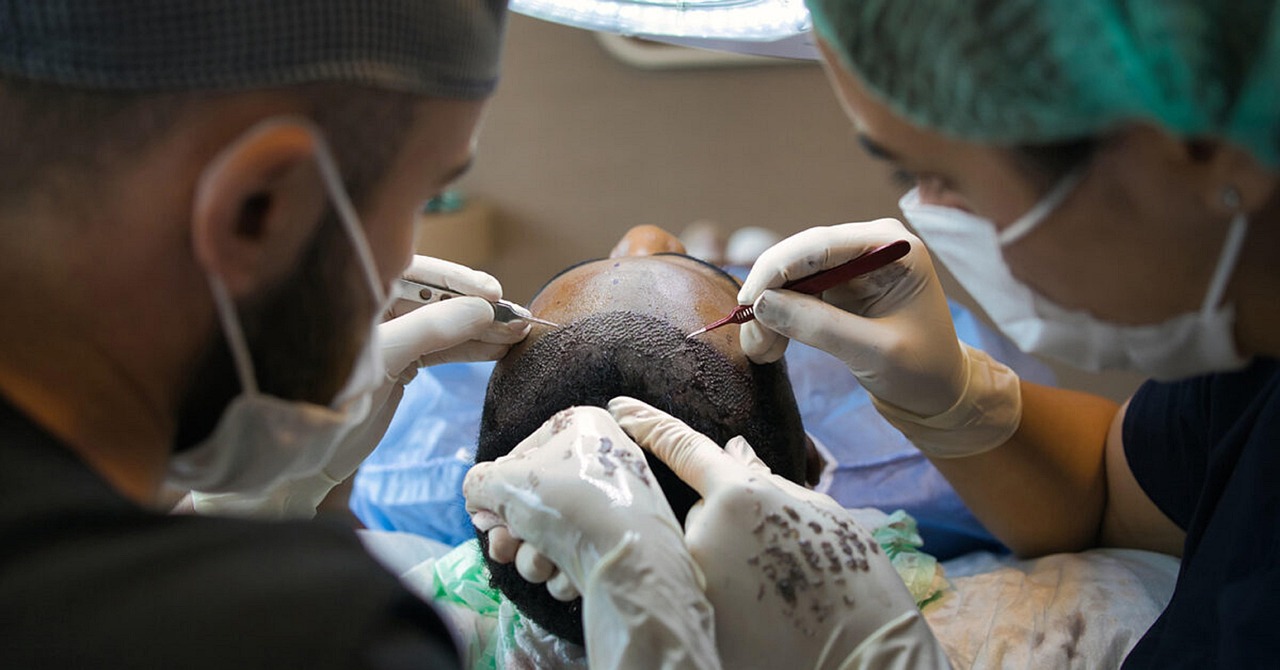
Undergoing a hair transplant is a transformative journey, offering renewed confidence and the promise of a fuller, natural hairline. For many patients, particularly those choosing Turkey for its renowned expertise and value, the appeal of its beautiful coastlines and refreshing pools is a significant draw. However, understanding the precise guidelines for swimming in the sea or a pool after a Turkish hair transplant is absolutely paramount to ensure optimal healing, protect the newly implanted grafts, and guarantee the success of your procedure. This article provides the definitive 2026 guidelines, meticulously compiled from extensive clinical data and years of surgical experience, to navigate your recovery period safely and effectively.
Modern Techniques and Global Standards in Turkish Hair Transplants
Turkey has firmly established itself as the global epicenter for hair restoration, a reputation earned through its unwavering commitment to advanced surgical techniques and rigorous adherence to international medical standards. Procedures such as Follicular Unit Extraction (FUE) and Direct Hair Implantation (DHI) are routinely performed by highly skilled, board-certified surgeons utilizing state-of-the-art equipment and facilities. This pervasive proficiency ensures that patients receive not only aesthetically superior results but also robust and natural-looking hair growth that meets or even exceeds outcomes observed in leading clinics across the world. The meticulous nature of these procedures demands equally meticulous post-operative care, particularly concerning environmental exposures.
Unmatched Value: Why Turkey Offers World-Class Hair Transplants at Lower Costs
A persistent, yet often misguided, concern among prospective patients is that the significantly lower cost of hair transplants in Turkey implies a compromise on quality. This perception is fundamentally incorrect. In the context of Turkish hair restoration, affordability is a testament to an efficient, high-volume, and government-supported medical tourism ecosystem, not a reflection of diminished medical excellence. The substantial cost advantages found in Turkey stem from several key economic factors:
- Lower Operational Costs: The overall expenses associated with running a medical clinic, including facility rentals, utilities, and support staff salaries, are considerably lower in Turkey compared to countries in the USA, UK, or Western Europe. These reduced overheads translate directly into more accessible pricing for patients.
- Government Subsidies and Support: The Turkish government actively champions medical tourism through various initiatives, tax incentives, and direct subsidies to clinics. This strategic support lowers the financial burden on healthcare providers, enabling them to offer world-class services at a fraction of the price found elsewhere.
- High Volume and Competition: Turkey’s position as a global leader means its clinics perform an exceptionally high volume of hair transplant procedures annually. This allows for economies of scale, where per-patient costs are optimized, and competitive pricing ensures that clinics consistently strive to offer the best value while maintaining high standards.
These combined factors allow Turkish clinics to provide premium medical services, utilizing the latest technologies and highly experienced medical teams, at prices that are often 70-80% lower than their Western counterparts, all without any compromise on the rigorous standards of patient care, surgical precision, or comprehensive post-operative support.
Hair Transplant Procedure Estimated Price Comparison (2026)
The table below illustrates the estimated cost differences for a typical FUE/DHI hair transplant involving 2000-4000 grafts across different regions in 2026. These figures highlight Turkey’s unparalleled value proposition.
| Region | Estimated Hair Transplant Cost (2026) | Key Considerations for Pricing |
|---|---|---|
| USA | $12,000 – $25,000+ | Very high operational costs, extensive marketing, premium pricing for specialist surgeons. |
| UK | £8,000 – £18,000 (Approx. $10,000 – $22,000) | Similar economic pressures to the USA, high practitioner and facility fees. |
| Europe (e.g., Germany, France) | €7,000 – €15,000 (Approx. $7,500 – $16,000) | Varied costs across countries, generally lower than USA/UK but significantly higher than Turkey. |
| Turkey | €2,500 – €5,000 (Approx. $2,700 – $5,500) | Low operational costs, government subsidies, high volume of procedures, competitive market, world-class quality. |
Recovery and Vital Post-Operative Medicines in Turkey
The success of a hair transplant procedure extends far beyond the operating theatre; diligent and precise post-operative care is absolutely crucial. This includes a strict regimen of prescribed medications and specialized products designed to prevent infection, manage discomfort, and support the delicate healing process of the scalp and the newly implanted grafts. Typically, patients will receive a comprehensive post-op package that includes:
- Antibiotics: Essential for preventing bacterial infections in both the donor and recipient areas, ensuring a sterile healing environment.
- Painkillers: Provided to manage any discomfort or soreness experienced in the initial days following the surgery, ensuring patient comfort.
- Anti-inflammatory Medications: Crucial for reducing swelling, particularly around the forehead and eyes, which can be a common side effect of the procedure.
- Specialized Shampoos and Lotions: These products are specifically formulated to gently cleanse the scalp, aid in the removal of scabs, and promote healthy graft survival without causing irritation or damage.
One of the distinct, often overlooked, advantages of undergoing a hair transplant in Turkey is the remarkable affordability of these essential post-operative medications. While these critical supplies can represent a considerable and often unexpected expense in many Western countries, in Turkey, they are available at a fraction of the cost. This makes comprehensive aftercare financially accessible for every patient, ensuring they have all the necessary tools for a successful recovery without additional financial strain. We strongly encourage you to verify the official 2026 pharmacy prices for these and other medications directly on TurkishMedsGuide.com, where transparency and accuracy are guaranteed.
Swimming in the Sea or Pool After a Turkish Hair Transplant: 2026 Guidelines
While the allure of a refreshing dip in the sea or a relaxing swim in a pool is entirely understandable, strict adherence to post-operative guidelines regarding water exposure is non-negotiable. This is vital for preserving graft integrity, preventing complications, and ensuring the longevity of your hair transplant results.
Immediate Post-Operative Period (Day 1 – Day 14)
During the critical first two weeks, the transplanted grafts are extremely fragile and vulnerable. They are still in the delicate process of anchoring themselves into the scalp’s vascular supply. Any direct water pressure, chemical exposure, or bacterial contamination can severely compromise their survival and lead to infection.
- Sea Water: Absolutely forbidden. Sea water contains a diverse array of microorganisms, bacteria, and concentrated salts that can intensely irritate the delicate healing scalp, promote serious infections, and irreparably damage graft viability.
- Pool Water: Absolutely forbidden. Pool water is heavily treated with chlorine and other harsh chemicals. These substances are highly irritating and detrimental to healing tissues and the newly implanted grafts. Chloramine by-products can also exacerbate inflammation and inhibit proper healing.
- Showering: Restricted to gentle, lukewarm water, applied indirectly with minimal pressure using a specialized shampoo. Follow your clinic’s specific instructions meticulously. Avoid any direct jet spray on the recipient area.
Intermediate Healing Period (Week 3 – Week 4)
By the third and fourth weeks, most of the superficial scabbing should have resolved, and the grafts will have begun to anchor more securely within the scalp. However, the skin is still delicate, and the risk of infection or irritation, though reduced, remains significant.
- Sea Water: Still not recommended. While the grafts are more secure, the inherent risk of bacterial and microbial exposure from natural bodies of water is still too high for a scalp that is not yet fully healed and has a compromised epidermal barrier.
- Pool Water: Still not recommended. The chemical content of pools (chlorine, algicides, etc.) remains a potent irritant and potential threat to the emerging skin and underlying follicles, even as surface healing progresses.
- Gentle Water Immersion (Non-Chemical): If absolutely necessary, very brief, gentle immersion in extremely clean, non-chlorinated, non-saline freshwater (e.g., a pristine private freshwater lake or a very clean, private shower without direct spray) might be considered towards the end of the fourth week. This should only be undertaken with explicit, personalized approval from your surgeon, as it is a rare exception rather than a general recommendation.
Longer-Term Recovery (After Week 4 – Month 3)
Beyond the first month, the transplanted grafts are generally considered fully secure, and the scalp will have largely healed superficially. The risk of dislodgement is minimal, but the newly grown hair and skin may still be more sensitive than the rest of your scalp.
- Sea Water: Generally considered safe after 6-8 weeks, provided the scalp is entirely healed with no open sores, scabs, or signs of irritation. Always rinse your scalp thoroughly with fresh, clean water immediately after swimming in the sea to remove salt, sand, and potential irritants.
- Pool Water: Generally considered safe after 6-8 weeks, again, provided the scalp is fully healed. The chlorine content is less critical once the grafts are fully mature and the skin barrier is completely restored. However, for added protection against chemicals, consider wearing a swimming cap. Always rinse your scalp and hair thoroughly with fresh water immediately after swimming to remove chlorine residues.
- Sun Protection: Regardless of water exposure, it is critically important to protect your scalp from direct sun exposure for at least 3-6 months post-surgery. Use a wide-brimmed hat or a high-SPF, gentle sunscreen specifically formulated for the scalp.
It is imperative to understand that these timelines are general guidelines. Always prioritize and follow the specific, personalized instructions provided by your Turkish hair transplant clinic and surgeon. They possess the most accurate and up-to-date assessment of your individual healing progress and can provide tailored advice.
Conclusion
Choosing Turkey for a hair transplant represents an intelligent investment in your appearance, offering an unparalleled combination of world-class medical expertise, advanced surgical techniques, and exceptional affordability. By meticulously adhering to critical post-operative guidelines, particularly concerning activities like swimming, and by leveraging the cost-effective access to essential aftercare medications, patients can ensure the best possible outcome for their investment and enjoy their restored confidence without compromise. We reiterate the importance of verifying medication costs directly on TurkishMedsGuide.com to fully appreciate the comprehensive value proposition offered by Turkish medical tourism.
🇹🇷 Frequently Viewed Medicines in Turkey (2026 Prices)
Tourists also checked the prices of these medicines: