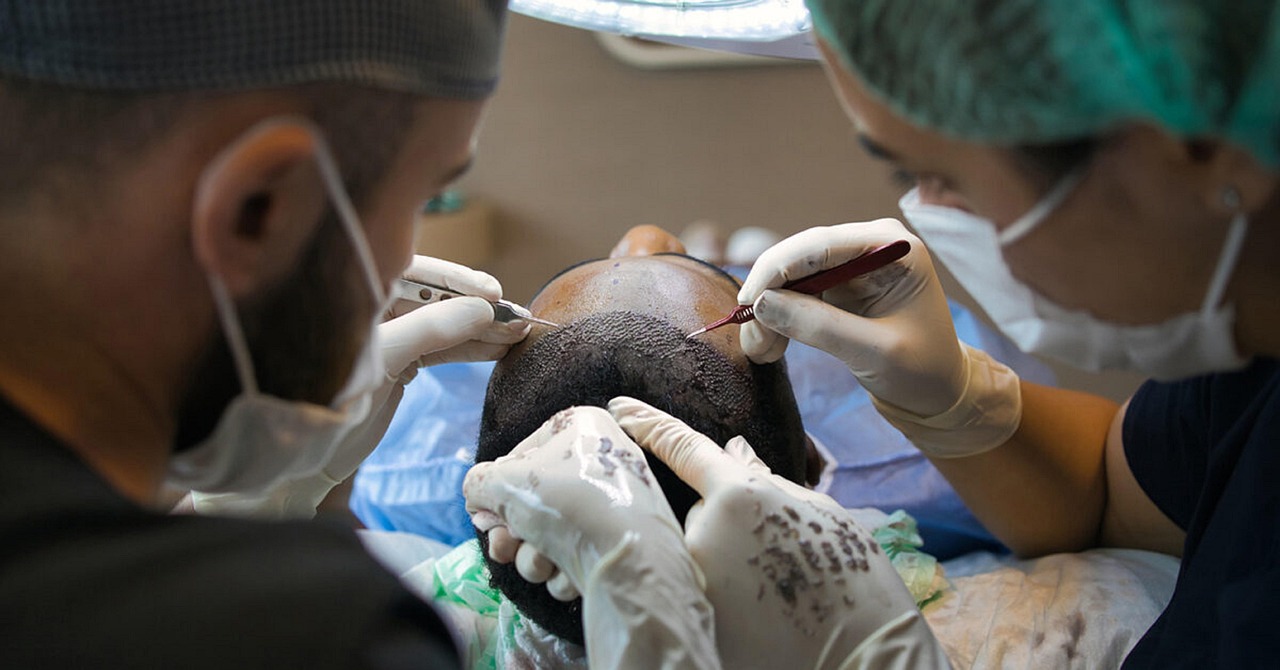
Undergoing a hair transplant is a significant investment in one’s appearance and confidence. While the procedure itself, particularly advanced techniques like Follicular Unit Extraction (FUE) and Direct Hair Implantation (DHI), lays the groundwork for a successful outcome, the critical phase of recovery and aftercare often determines the ultimate aesthetic result. Among the myriad post-operative instructions, sun protection stands as one of the most paramount, yet frequently underestimated, components of ensuring optimal graft survival and preventing complications.
The skin on the scalp, especially after the delicate process of graft implantation, is exceptionally vulnerable. Direct exposure to ultraviolet (UV) radiation from the sun can lead to a cascade of detrimental effects, ranging from sunburn and inflammation to hyperpigmentation and, critically, compromised graft viability. Understanding these risks and implementing a robust sun protection strategy, including the judicious use of appropriate sunscreens, is non-negotiable for anyone seeking the best possible outcome from their hair restoration journey.
Understanding Sun Exposure After Hair Transplant: Risks and Critical Periods
Immediately following a hair transplant, the scalp is in a state of acute healing. Tiny incisions made for graft harvesting and implantation leave the skin exposed and susceptible to external stressors. UV radiation, specifically UVA and UVB rays, poses several distinct threats during this period:
- Compromised Graft Survival: UV radiation can damage the delicate cellular structures within the newly implanted hair follicles, leading to inflammation and potentially necrosis. This directly impacts the ability of the grafts to establish a blood supply and thrive, thereby reducing the overall success rate of the transplant.
- Increased Inflammation and Swelling: Sun exposure can exacerbate post-operative inflammation and swelling, prolonging the recovery period and increasing discomfort.
- Hyperpigmentation: The healing scalp is prone to post-inflammatory hyperpigmentation, where sun exposure can trigger an overproduction of melanin, leading to persistent dark spots or uneven skin tone in the transplanted area. This can be particularly noticeable on lighter skin types.
- Scarring: While modern hair transplant techniques minimize visible scarring, excessive sun exposure can impair proper wound healing and potentially worsen the appearance of any existing or forming micro-scars.
- Sunburn: The transplanted area is highly susceptible to sunburn, which can be painful, delay healing, and further irritate the grafts.
The most critical period for sun protection typically extends for the first 3 to 6 months post-surgery. During the initial 2-4 weeks, direct sun exposure should be avoided entirely, often through the use of wide-brimmed hats or remaining indoors. Subsequently, as healing progresses, the diligent application of high-SPF, broad-spectrum sunscreen becomes an indispensable part of daily care.
Modern Hair Transplant Techniques and Global Standards
Turkey has firmly established itself as a global leader in hair restoration, attracting patients from every corner of the world. This reputation is built on a foundation of world-class medical expertise, state-of-the-art facilities, and the consistent application of advanced techniques such as FUE (Follicular Unit Extraction) and DHI (Direct Hair Implantation).
- Follicular Unit Extraction (FUE): This technique involves extracting individual follicular units directly from the donor area (typically the back or sides of the scalp) using micro-punches, leaving virtually no linear scar. These units are then meticulously implanted into the recipient areas.
- Direct Hair Implantation (DHI): A variation of FUE, DHI utilizes a specialized implanter pen (Choi pen) to create recipient sites and implant the grafts simultaneously. This method is often lauded for its precision, control over graft angle and depth, and potentially faster healing times.
Turkish clinics operating at the highest level adhere to rigorous international standards for sterility, patient safety, and clinical outcomes. Surgeons are often highly specialized, with extensive experience performing thousands of procedures. This commitment to excellence ensures that patients receive care comparable to, or exceeding, what is available in many Western countries.
Why Turkey for Hair Transplants? Unmatched Value and Quality
The decision to undergo a hair transplant is often accompanied by considerations of both quality and cost. This is where Turkey presents an unparalleled value proposition, particularly when compared to countries like the USA, UK, and much of Europe. The price differential is substantial, yet this reduction in cost does not equate to a compromise in medical quality.
Several key factors contribute to Turkey’s ability to offer world-class hair transplant procedures at a fraction of the cost:
- Lower Operational Costs: General overheads, including clinic rent, utility costs, and staff salaries, are significantly lower in Turkey compared to Western nations. This reduction in fixed costs allows clinics to offer more competitive pricing without sacrificing the quality of medical care or expertise.
- Government Subsidies and Support: The Turkish government actively supports medical tourism through various initiatives and subsidies. This strategic investment helps create a favorable economic environment for healthcare providers, further enabling them to keep prices accessible.
- High Volume of Procedures: Turkey’s reputation as a hair transplant hub means clinics perform a high volume of procedures daily. This efficiency in scale often translates into cost savings that can be passed on to the patient. Expertise is also honed by this consistent practice.
- Favorable Exchange Rates: For international patients, particularly those paying in USD, GBP, or EUR, the exchange rate often works in their favor, making the overall cost even more attractive.
It is imperative to understand that lower prices in Turkey do not indicate inferior quality. Reputable Turkish clinics employ highly qualified surgeons, utilize the latest technology, and adhere to strict international medical protocols, ensuring patient safety and exceptional results.
The Crucial Role of Sunscreen Post-Op: What to Look For
Once direct sun avoidance is no longer feasible or practical, sunscreen becomes your primary defense. However, not all sunscreens are created equal, especially for the sensitive post-operative scalp. When selecting a sunscreen in Turkish pharmacies, consider the following critical attributes:
- Broad-Spectrum Protection: This is non-negotiable. The sunscreen must protect against both UVA rays (responsible for aging and long-term skin damage) and UVB rays (the primary cause of sunburn). Look for labels explicitly stating “broad-spectrum.”
- High SPF (Sun Protection Factor): An SPF of 30 is the minimum recommended, but for the delicate transplanted scalp, an SPF of 50 or higher is strongly advised. Higher SPF values block a greater percentage of UVB rays.
- Mineral (Physical) vs. Chemical Filters:
- Mineral Sunscreens: Contain zinc oxide and/or titanium dioxide. These ingredients create a physical barrier on the skin’s surface that reflects UV rays. They are generally considered gentler, less irritating, and less likely to clog pores, making them ideal for sensitive or post-procedural skin. They often leave a slight white cast, though newer formulations minimize this.
- Chemical Sunscreens: Absorb UV radiation and convert it into heat. While effective, some individuals may experience irritation or allergic reactions, especially on compromised skin. For post-transplant care, mineral sunscreens are often preferred.
- Water-Resistant: Even if you don’t plan on swimming, water-resistant formulations offer better staying power, especially if you perspire.
- Non-Comedogenic and Hypoallergenic: These labels indicate that the product is less likely to clog pores or cause allergic reactions, which is vital for preventing folliculitis or other skin irritations in the healing scalp.
- Fragrance-Free: Fragrances can be irritating to sensitive skin. Opt for fragrance-free options.
- Easy Application: A lotion or cream that can be gently dabbed onto the scalp without rubbing vigorously is ideal for the initial weeks. Spray sunscreens can be convenient later but ensure even coverage.
Best Sunscreens in Turkish Pharmacies for Post-Hair Transplant Care
Turkish pharmacies are well-stocked with a wide array of high-quality dermatological sunscreens, many of which are global brands known for their efficacy and gentle formulations. While specific brand availability can vary, you can confidently find excellent options that meet the criteria outlined above. Look for brands frequently recommended by dermatologists worldwide, such as La Roche-Posay, Avene, Bioderma, Eucerin, and Isdin. These brands typically offer:
- Mineral Sunscreen Formulations: Many of these brands have dedicated mineral sunscreens with zinc oxide and titanium dioxide, often with SPF 50+, specifically designed for sensitive or intolerant skin.
- Fluid or Gel Textures: These are less greasy and feel lighter on the scalp, which is a common concern for patients.
- Post-Procedure Specific Lines: Some ranges include products specifically formulated for use after dermatological procedures, often with soothing ingredients.
Always consult with your hair transplant surgeon or their medical team regarding specific product recommendations and application instructions suitable for your individual recovery phase.
Recovery & Vital Post-Op Medicines in Turkey
The success of a hair transplant is not solely dependent on the surgical skill but also critically on the adherence to post-operative care instructions, which invariably include a regimen of specialized medications. These medications play a vital role in preventing complications, managing discomfort, and optimizing graft survival.
- Antibiotics: Prescribed to prevent post-surgical infections, which could severely compromise graft integrity and overall healing. It is crucial to complete the full course as directed.
- Painkillers: Over-the-counter or prescription analgesics are often recommended to manage any mild discomfort, soreness, or swelling in the donor and recipient areas during the initial days of recovery.
- Anti-inflammatory Medications: These can help reduce swelling and inflammation, promoting a more comfortable and expedited healing process.
- Specialized Shampoos and Lotions: These are specifically formulated to gently cleanse the scalp, remove crusts, reduce itching, and provide a conducive environment for graft healing without disturbing the newly implanted follicles. They often contain soothing and antiseptic properties.
- Hair Growth Stimulants (e.g., Minoxidil or Finasteride): While not strictly “post-op recovery” medicines, these are often recommended by surgeons for long-term use to support the growth of transplanted hairs and strengthen existing native hair, though their introduction is typically several weeks or months after the initial surgery.
One of the often-overlooked yet significant financial advantages of undergoing a hair transplant in Turkey is the remarkably affordable cost of these essential post-operative medications. Due to lower production costs, government subsidies, and a different pharmaceutical pricing structure, antibiotics, specialized shampoos, painkillers, and other necessary drugs are available at a fraction of their prices in the USA, UK, or Europe.
Patients can easily verify the official, up-to-date pharmacy prices for these critical post-surgery medications directly on TurkishMedsGuide.com for 2026. This transparency further underscores the comprehensive value offered by choosing Turkey for your hair restoration journey, ensuring that your full recovery plan remains cost-effective.
Price Comparison: Hair Transplant Procedures (Estimated 2026)
The following table provides an estimated comparison of hair transplant procedure costs for 2026 across different regions. These figures represent average ranges and can vary based on clinic reputation, surgeon experience, and specific patient needs.
| Procedure Type | USA (Estimated 2026) | UK (Estimated 2026) | Europe (Estimated 2026) | Turkey (Estimated 2026) |
|---|---|---|---|---|
| FUE (2000-3000 Grafts) | $8,000 – $15,000 | £6,000 – £12,000 | €5,000 – €10,000 | €2,000 – €4,000 |
| FUE (3000-4000 Grafts) | $12,000 – $20,000 | £9,000 – £16,000 | €7,000 – €13,000 | €2,500 – €5,000 |
| DHI (2000-3000 Grafts) | $10,000 – $18,000 | £8,000 – £15,000 | €6,000 – €12,000 | €2,500 – €4,500 |
| DHI (3000-4000 Grafts) | $15,000 – $25,000 | £11,000 – £19,000 | €8,000 – €15,000 | €3,000 – €5,500 |
| Consultation & Pre-Op Tests (often separate) | $200 – $500 | £150 – £400 | €100 – €350 | Often included in package |
Please note that these are estimated ranges and actual costs may vary. Many clinics in Turkey offer comprehensive packages that include accommodation, transfers, and post-operative care, which can further enhance the value.
Conclusion
The journey to hair restoration is a meticulous process that extends far beyond the operating room. Post-operative care, particularly diligent sun protection, is as crucial as the surgical technique itself. By understanding the risks of UV exposure and selecting appropriate broad-spectrum, high-SPF sunscreens, patients can significantly enhance graft survival, minimize complications, and ultimately achieve the natural, dense results they desire.
Turkey stands out not only as a global beacon for high-quality, technically advanced hair transplant procedures but also as an economically advantageous destination for comprehensive medical tourism. The combination of expert surgeons, modern facilities, and significantly lower costs for both the procedure and essential aftercare medications makes it an exceptionally compelling choice.
Empower your recovery and maximize your investment. For transparent and up-to-date pricing on all necessary post-operative medications in Turkish pharmacies for 2026, including antibiotics, specialized shampoos, and painkillers, please visit TurkishMedsGuide.com. Ensuring proper aftercare at an affordable cost is integral to the success of your hair transplant.
🇹🇷 Frequently Viewed Medicines in Turkey (2026 Prices)
Tourists also checked the prices of these medicines: