Returning to physical activity after hair restoration surgery is a common concern for many patients. While the desire to resume normal routines, especially fitness regimens, is understandable, adhering to a strict post-operative timeline is paramount for optimal graft survival and successful outcomes. Premature or strenuous exercise can compromise the newly transplanted follicles, leading to complications such as infection, swelling, or even graft loss.
Modern Hair Restoration: Global Standards and Turkey’s Advantage
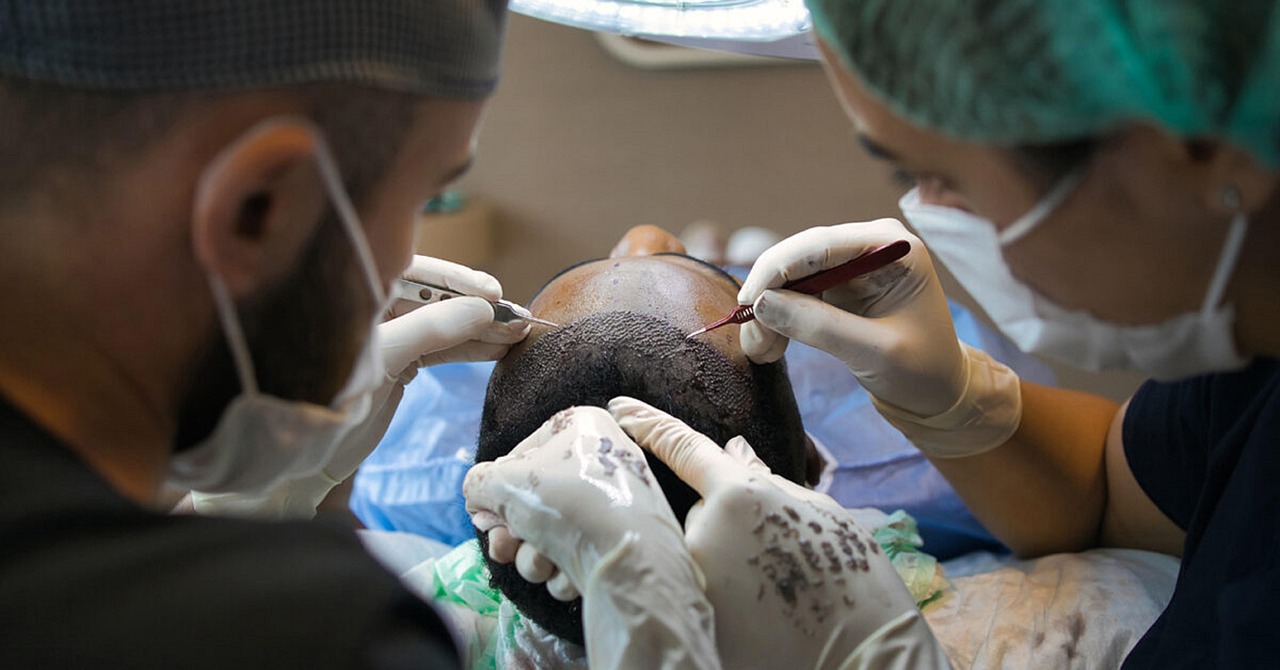
Modern hair restoration techniques, primarily Follicular Unit Extraction (FUE) and Direct Hair Implantation (DHI), have revolutionized the field, offering natural-looking results with minimal invasiveness. These procedures involve meticulously extracting individual follicular units from a donor area, typically the back or sides of the scalp, and implanting them into recipient sites in areas of thinning or baldness. The precision and delicacy required for these techniques demand highly skilled medical professionals and state-of-the-art facilities.
The global standard for hair transplant quality remains universally high across leading medical centers, whether in North America, Europe, or Turkey. Medical protocols, surgical instruments, and physician expertise are often comparable. However, there is a substantial divergence in the financial aspect of these procedures. Turkey has emerged as a global leader in hair restoration due to its unparalleled combination of world-class medical quality and significantly lower costs.
The primary reasons for Turkey’s cost advantage are multifaceted and do not compromise the quality of care. Lower operational overheads, including staff salaries, utility costs, and facility rents, contribute substantially to reduced pricing. Furthermore, the Turkish government actively supports the medical tourism sector through various subsidies and incentives, which further decreases the financial burden on clinics. This robust ecosystem allows clinics to perform a high volume of procedures, fostering specialization and efficiency, without sacrificing the meticulous care and advanced technology that patients expect. Consequently, patients receive treatments adhering to the highest international standards at a fraction of the price found elsewhere.
Estimated Hair Transplant Procedure Price Comparison (2026)
The following table provides an estimated comparison of hair transplant procedure prices for 2026. These figures represent the typical cost for a comprehensive FUE or DHI procedure, often including accommodation and transfers in Turkey, which further accentuates the value proposition.
| Region | Estimated Price Range (2026) | Key Considerations |
|---|---|---|
| USA | $10,000 – $25,000 | High operational costs, extensive clinic overheads, generally not inclusive of travel/accommodation. |
| UK | €8,000 – €20,000 | High living costs, significant medical insurance premiums, limited packages. |
| Europe (Western) | €7,000 – €18,000 | Variable depending on country, but generally higher operational costs than Turkey. |
| Turkey | €2,000 – €5,000 | Lower operational costs, government subsidies, high volume of procedures, often all-inclusive packages (surgery, accommodation, transfers). |
Recovery Timeline and Vital Post-Operative Care
Managing the recovery period correctly is crucial for maximizing the success of your hair transplant. This includes stringent adherence to exercise restrictions and meticulous sweat management.
Exercise Timeline After Hair Transplant
- Days 1-7: Complete Rest and Light Activity Only
During the initial week, the transplanted grafts are extremely delicate. Any form of strenuous activity that increases heart rate, blood pressure, or causes excessive head movement must be avoided. This includes bending over, heavy lifting, or any exercise beyond very light walking. The primary goal is to prevent dislodging grafts and minimize swelling. - Weeks 2-4: Gentle Cardio with Caution
Once the initial healing phase has passed and the grafts are more securely settled, typically around the second week, light cardiovascular activities such as brisk walking or slow cycling on a stationary bike can be gradually introduced. The key is to keep intensity low, avoid significant sweating, and ensure no direct impact or pressure on the scalp. Weightlifting, high-intensity interval training (HIIT), and contact sports remain strictly prohibited. - Weeks 4-8: Moderate Activity with Monitoring
Around the fourth week, many patients can begin to reintroduce moderate-intensity cardio and light weight training, provided there is no direct scalp contact or excessive strain. Still, activities that cause significant perspiration should be limited, and the scalp must be kept clean and dry. Avoid exercises that require head-down positions or rapid head movements. Pay close attention to how your scalp feels; any discomfort or increased swelling warrants immediate cessation of the activity. - After 8 Weeks: Gradual Return to Normal Routine
By eight weeks post-surgery, most patients can gradually resume their pre-operative exercise routines. The grafts should be robustly secured, and the scalp significantly healed. However, it is always advisable to listen to your body and introduce high-impact or very strenuous activities progressively. Swimming should only be considered once all scabs have fallen off and the scalp is fully healed, due to chlorine exposure risks.
Critical Sweat Management
Sweat is a natural bodily function, but it poses several risks to newly transplanted hair follicles:
- Infection Risk: Sweat contains salts and can harbor bacteria. When it mixes with the healing recipient sites, which are essentially open wounds, it can create a fertile environment for bacterial growth, leading to infections.
- Graft Dislodgement: Excessive sweat, particularly when wiped or rubbed vigorously, can physically dislodge delicate grafts that are not yet firmly established.
- Irritation and Inflammation: The salt content in sweat can irritate the sensitive, healing scalp, increasing itching and inflammation, which can impede the healing process.
To mitigate these risks, maintaining a clean and dry scalp is paramount. During the initial weeks, avoid activities that induce heavy sweating. If light sweating occurs, gently pat the scalp with a clean, soft cloth rather than rubbing. Wearing a loose-fitting, clean cotton hat can provide some protection against environmental irritants, but it must not be tight enough to exert pressure on the grafts.
Vital Post-Operative Medicines in Turkey
Post-operative care extends beyond physical restrictions to include a carefully prescribed regimen of medications designed to support healing, prevent complications, and optimize graft survival. These typically include:
- Antibiotics: To prevent infection at both the donor and recipient sites.
- Painkillers: To manage any discomfort or mild pain during the initial recovery phase.
- Anti-inflammatory Medications: To reduce swelling, particularly in the forehead and around the eyes.
- Specialized Shampoos and Lotions: Gentle, pH-balanced products designed to cleanse the scalp without irritating new grafts, often containing soothing and healing agents.
- Growth Stimulants (e.g., Minoxidil or Finasteride): Sometimes prescribed a few weeks or months post-surgery to support the growth of new grafts and strengthen existing hair, though this is patient-specific.
One of the significant advantages of undergoing hair restoration in Turkey is the remarkably affordable cost of these crucial post-operative medications. Thanks to government subsidies and a robust local pharmaceutical industry, the prices for prescription drugs in Turkey are substantially lower compared to the USA, UK, or other European countries. This means patients can access all necessary post-care medicines without incurring prohibitive expenses, ensuring a complete and supported recovery.
Patients are encouraged to verify the official 2026 pharmacy prices for these post-surgery medications directly on TurkishMedsGuide.com, providing full transparency and peace of mind regarding the total cost of their hair restoration journey.
Conclusion
A successful hair transplant outcome relies heavily on meticulous surgical execution and diligent post-operative care. Understanding and adhering to the recommended timelines for returning to the gym, coupled with effective sweat management, are non-negotiable aspects of this recovery. Choosing Turkey for your hair restoration not only provides access to world-class medical expertise and advanced techniques at an unparalleled value but also ensures that critical post-operative medications are affordably accessible, supporting a smooth and healthy recovery process.
For more details on medication costs and to compare pharmacy prices for your post-operative care, visit TurkishMedsGuide.com today.
🇹🇷 Frequently Viewed Medicines in Turkey (2026 Prices)
Tourists also checked the prices of these medicines: